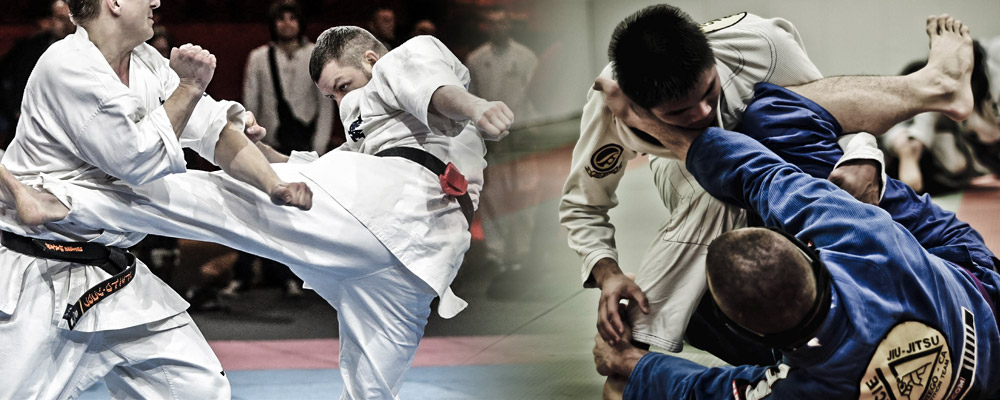
The age old question… “what martial art should I train?”, or occasionally I get “what is the best martial art?. I have had this question asked many a time from friends, fellow martial artists looking to expand their knowledge base and Woman and men who experienced a traumatic event.
As a quick note, I have been training martial arts my entire life, well since I was about 8. I am a black belt in Brazilian Jiujitsu, A 3rd degree black belt in 3 different Filipino Martial Arts (Guro) and have quite a bit of experience in other systems namely Sambo, Indonesian Kuntao Silat, Kyokushin karate and Muay Thai.
This is sadly not an easy question to answer, nor am I or anyone else equipped to tell you which martial art is right for you. Instead, I will have you some questions to answer and based on the results you will be in a far better solution to make a decision for yourself. I will also explain the differences among some of the more common martial arts trained today and list some reasons why people end up stopping, which is something you hopefully don’t do, as martial arts should be a lifelong journey.
Here are the questions:
- Am I interested in martial arts (aka the art aspect and history and culture), Or am I interested in self defense?
- Am I looking for a style that will offer very hard classes aerobically and physically or something that is more leisurely
- How many days a week can I train? How commited to this am I?
- Am I hoping to one day compete in this martial art?
- Will an injury to a limb (such as a dislocated finger, hurt ankle etc…) affect my livelihood? Do I want to avoid long term problems
- Do I want to know how to use a weapon like a knife, stick etc… (modern day applicable weapons not ancient ones)
O.K. Now let’s get onto some systems and how they fit in the above.
Let’s look at question number one. There are two categories here… well in fact three but two of them offer self defense in a much better way than the first. Here are the three categories (don’t hate me if you train in the first, sometimes the truth hurts).
- Traditional Martial Arts (Wing Chun, Shotokan Karate, Aikido etc..)
- Competitive / Sport Martial Arts (boxing, Muay Thai, Brazilian Jiujitsu, MMA etc…)
- Purely self defense based systems (Krav Maga, Raid Fighting Systems, Blauer Tactical Systems etc…)
The first category does have some self defense attributes and benefits… Most traditional martial arts teach great timing, distance, footwork etc… but they lack the Adrenal stress response training that is found in modern day competitive martial arts or any good self defense program. The focus on Kata and slow technique detracts from training that is applied to a fully resisting partner as well. In a real life situation things get tough fast and complex movements that are trained in class are often impossible to apply against a bigger, stronger, resisting opponent while you are under stress and having a fear response.
The benefit of the first is that they are full of history, culture and discipline. You can train a lifetime in many of those arts and continue to grow both internally (spiritually) and externally. They are in my opinion better for children as their is more of an emphasis on discipline and focus than in competitive or self defense systems.
Another thing to consider in the above is injury. Traditional martial arts tend to not result in injury to the same degree as competitive systems, so if showing up to work with a black eye is a bad idea than be aware of the club and system you are training. Sparring is usually optional so that is a good thing to mention when getting started.
If your primary goal is self defense you would have to immediately cut out the first category if you wanted the best bang for your buck.
Question number two “Am I looking for an aerobically hard class?”.
This one is tougher to guarantee as the style does not necessarily determine the level of aerobic and physical endurance needed for each class, that is mostly determined by the teacher. What I can say without a doubt is that most competitive MMA classes or Muay Thai classes for example are tougher than an Aikido or Tai Chi class. Most styles that have a competitive component whether it be grappling or striking are more demanding than ones that don’t.
If you were looking for the highest level of physical demand in a class than my money would be on grappling based styles. I have trained in the toughest Muay Thai gyms and sparred with some of the highest level guys but compared to a tough day of rolling (slang for grappling) it’s a different demand on your cardio. Styles like Brazilian Jiujitsu, Sambo and Judo are so sparring based (due to not having to worry about getting punched in the face) that each class is loaded with a tough workout.
Question number three is very important but not in the same sense as the rest. This one doesn’t determine style but more so which club you are more likely to attend. I have found over the years teaching that the number one detractor from people being consistent in a martial arts was the distance and schedule of the club. If the schedule is strict or doesn’t line up right or the school is too far most people, short of those who are exceptionally committed, will dwindle out.
Let’s say you have made your mind up and want to train Sambo, it’s exotic, offers both grappling and striking, has great self defense benefits etc… but the closest academy is an hour away and only has 4 classes a week. The question here is how much does that interfere with your life and comfort vs. the reality of you actually going. It might be more rational to choose a Brazilian Jiu Jitsu academy one block away with a more open schedule. Budget also comes into play here so before getting excited and starting a rare martial arts that you feel really motivated to train in, really weigh the benefits of traveling that far for it.
Question number four is kind of obvious. If you want to train to compete you need a competitive system. I will make a list of different systems and where they fit on the bottom of this article with benefits and downsides. Competing is a great way to test your level in a system and also grow as a person but does not necessarily have anything to do with actual reality based self defense.
Question number five is a very serious one. This is very specific to grappling systems and competitive systems. Throughout my lifetime of sparring and competing I have damaged by body. I have torn my ACL, dislocated my shoulder, broken my fingers, ruptured a disk in my neck and my lower back, dislocated toes etc… I have more damage to my body than most 80 year olds… and you know what? I wouldn’t trade any of it. For me the damage was worth it but for many it’s not. Systems like Brazilian Jiu Jitsu (again this depends on the academy) can be very hard on your body especially over years and years of training. Many gyms now offer less intense classes for people who are professionals and can’t afford to be injured so always be sure to ask. This is not a detractor from a specific style but may be one from a specific gym… especially one that is competitive.
Question number six is the only one I am going to be very specific about. If you want to be efficient with weapons your best option is a good Filipino Martial Arts academy. Filipino systems are the most dedicated to modern day close quarter weapons such as knives and sticks. They are also heavily focused on improvised weapons such as keys, a rolled up magazine and whatever else you can get your hands on. If you don’t have a weapon the training also covers empty hand self defense and both actually feed off each other so you aren’t missing out here. Some other systems, primarily self defense programs, do in fact focus on weapons but not to the same degree or level of detail.
Here is a list of martial arts and my thoughts on them. I am only including martial arts I have trained in for 6 months or more, there are too many actual systems to post (tens of thousands) each with their own variations so if you come across one that is interesting to you and don’t see it here send me an email or mention it in the comment section below.
Brazilian Jiujitsu:
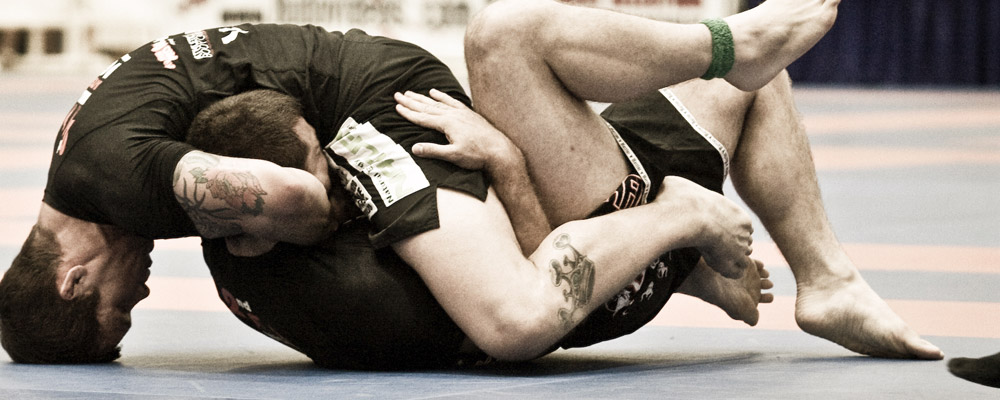
Pros: Intense workout, Raises confidence, Great martial art to control someone without injuring them aka chokes and oisutuib Helps you deal with stress across the board, amazing grappling system, good for specific self defense scenarios, Great as an additional martial art to any striking art, Usually has lots of classes, More easily found nowadays, relaxed environment (aka no bowing etc) compared to other styles, lots of competitions year round, no brain damage even when competing as their is no striking.
Cons: Limited self defense application, lack of striking, expensive, hard on the limbs and spine, limited takedown training, can at times be an overly competitive environment, high injury rate, not much history or culture of the system is forced on to the student (can be a positive as well), no or limited modern day weapon training.
Muay Thai:
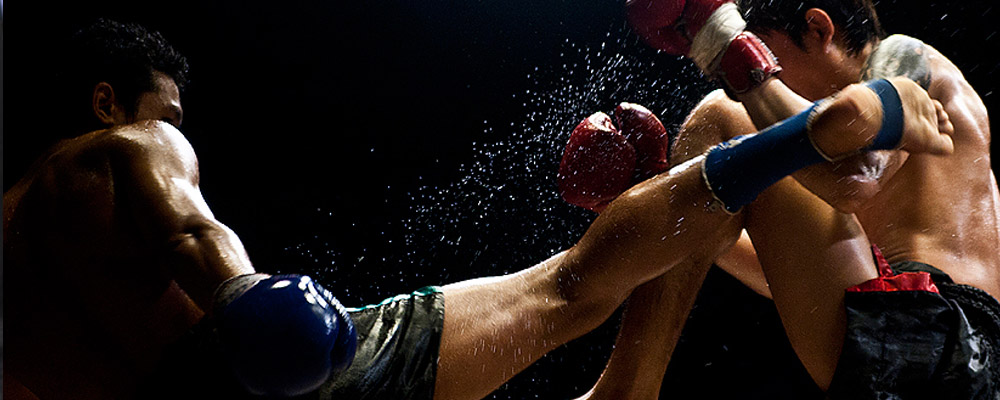
Pros: Amazing Striking, Becomes effective very quickly, Very good for a lot of self defense situations but lacks certain aspects of reality based combat, Good in close quarters, lots of gyms, highly intense workouts, lots of competitions, uses parts of the body many systems don’t even in sparring (knees and elbows), lots of sparring usually available at higher levels, amazing conditioning of body and bones.
Cons: When a lot of sparring is done head trauma can occur, No grappling on the ground, High injury rate at much higher levels (again associated with sparring and competing, not much history or culture will be forced on to the student (can be a positive as well), no or limited modern day weapon training.
Traditional Karate (non full contact systems), aka Shotokan, Shurin Ryu, Wado Ryu, Ishin Ryu etc…
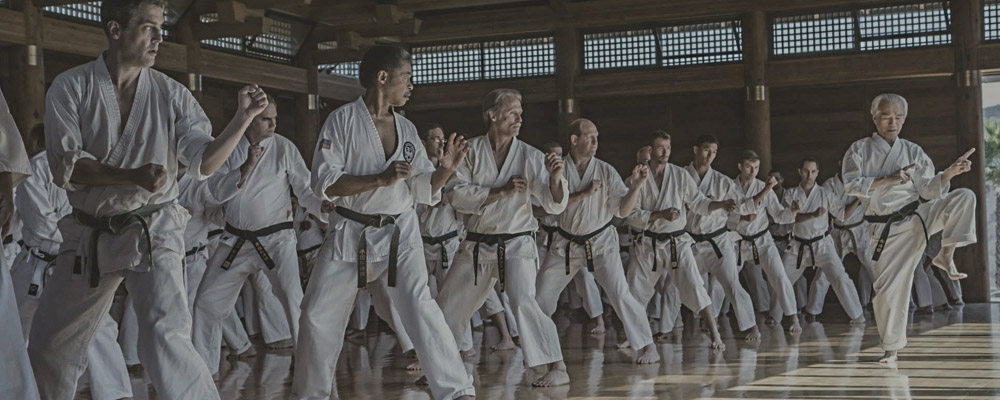
Pros: Safe, Low injury rate, Great discipline, Great development of focus and coordination, Usually available in many locations and with lots of classes, Great for kids, Wide range of technique, Kata can be a lifelong journey.
Cons: Lacks hard sparring, Lacks real grappling, lacks effective self defense training, lacks a level of intensity found in other more competitive systems, can be overly focused on discipline and culture and miss out on the importance of reality based training, can be overly hierarchical where higher belts are considered to automatically know more despite someone else’s experience outside the gym, lacks conditioning of the body. no or limited modern day weapon training.
Full Contact Karate, aka Kyokushin, Ashihara, Enshin etc…
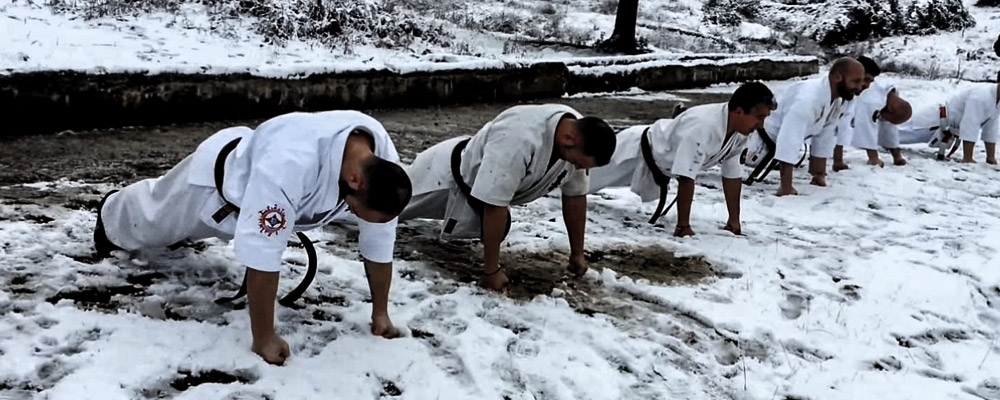
Pros: Amazing body conditioning, Lots of competitions, Contains both the traditional and competitive components, Very tough, Good striking, Amazing kicks, Focus on close quarters, intense workouts, lots of focus on other aspects such as breathing and focus, limited head trauma compared to other striking systems
Cons: Lack of head strikes, Lack of sparring with head strikes or grappling, limited effective self defense application, Not as commonly found, Lots of body injuries, Occasional severe head trauma (from a kick or knee), no or limited modern day weapon training, can be overly focused on tradition (this depends on you and what you like).
Tae Kwon Do:
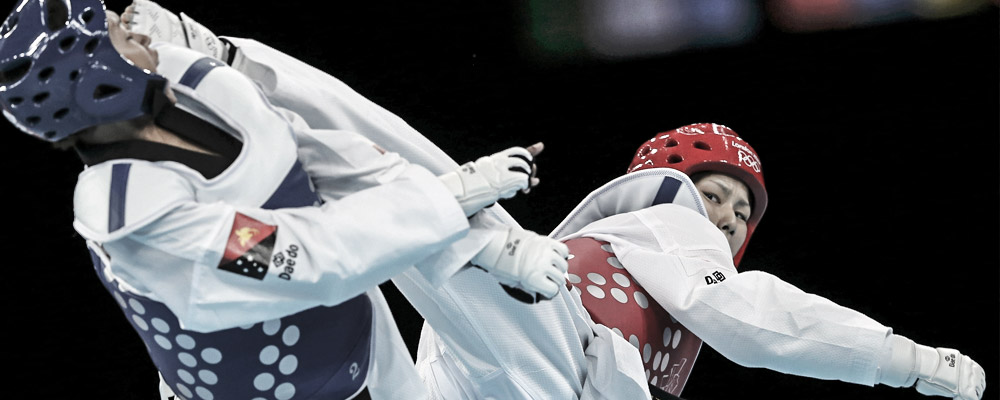
Pros: Acrobatic, Great kicks, Great for timing, flexibility, endurance, Great for kids, Lots of focus discipline and Kata, Fun environment, Great for footwork, Lots of events and shows at higher levels for competitors, Lots of competitions, wide array of people in the sport, Great history and culture.
Cons: Hard on the knees, WTF (a specific federation of taekwondo which is the most common today) lacks head punches and hand strikes in general, Competition has no basis in self defense, Application of kicks in a street environment is very risky, Too focused on kicks and kata and flashy movements, No or limited grappling training, Lack of training with modern day weapons.
Sambo:
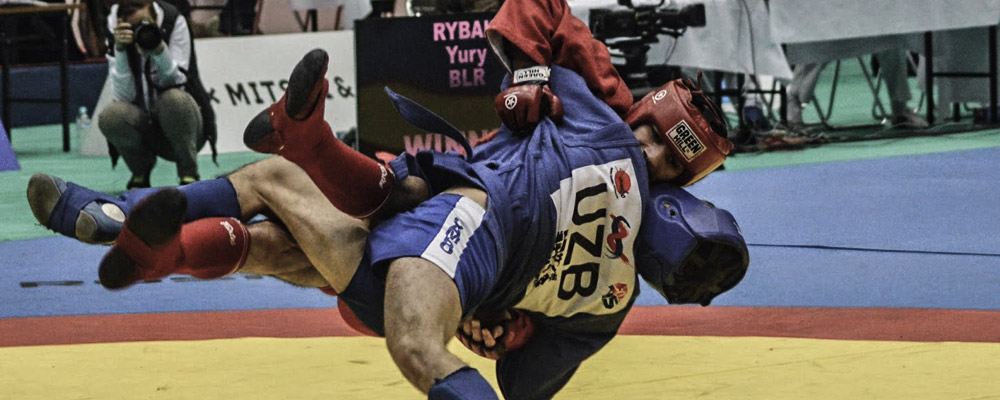
Pros: Great for striking, throwing and ground grappling, very intense, multi tiered martial art with combat sambo, sport sambo and self defense, competition is available, intense workouts, good conditioning, some modern day weapon training, lots of leg locks.
Cons: Lots of injuries especially to knees, throws are hard on the body, long term problems to joints, lack of intense focus on weapons, hard to find classes and even harder to find competitions.
Filipino Martial arts (specifically Kali based systems)

Pros: Great weapon training, Unique empty hand training, All encompassing system in all ranges, Great self defense application, some competitions available for full contact stick fighting, great knife fighting, very street and close quarter based, unique culture and history.
Cons: Not enough empty hand training and sparring, not enough effective grappling, limited competitions, hard to find classes, when sparring full contact stick fighting (this is not necessary) injury is common.
Silat:

Pros: wide range of systems here that cover all aspects of fighting from ground to knife to striking, unique movements, rich in culture, lots of techniques.
Cons: Lack of sparring, not as intense as other systems, lack of competition in most sub systems, hard to find classes, not always translatable to real self defense application.
Boxing:
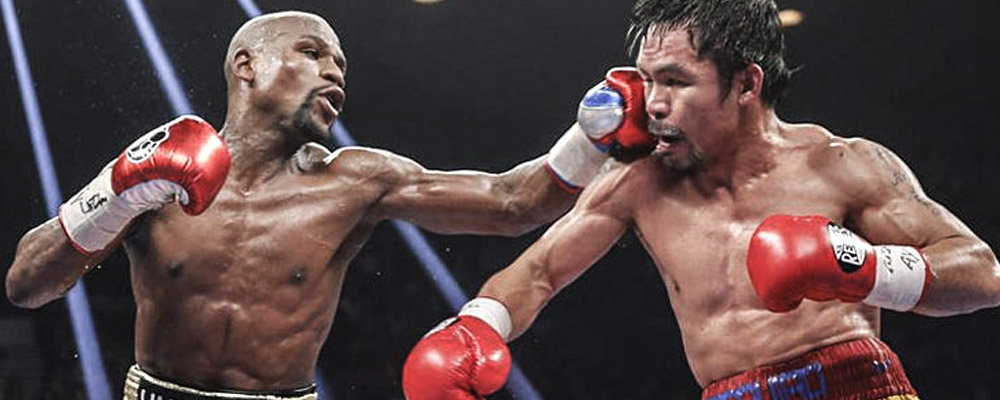
Pros: Great footwork, quick to learn, decades to master, great hand striking, underrated self defense application for specific range, great workout, easy to find classes, lots of competition, great conditioning, generates great confidence, rich in american history often disregarded as not a martial art… when it is.
Cons: limited to just punching, not effective in certain self defense ranges or scenarios, no weapon training, head injury is common, no grappling.
Wing Chun:
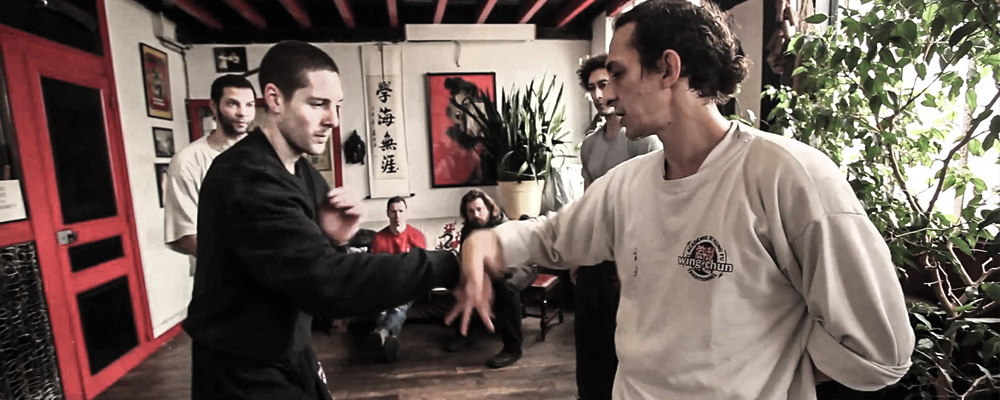
Pros: Quick hand movements, close quarter system, not much injury, rich in history, unique movements, quick to learn but also has a lifetime of training involved with it, unique sparring or resistance training, very scientific approach aka centerline fighting and hand trapping.
Cons: Lack of hard sparring, lack of hip rotation in strikes trading speed for power, does not translate well in to self defense in many cases, lack of modern day effective weapon training due to lack of resistance training, not as intense as some of the other systems mentioned.
Krav Maga:
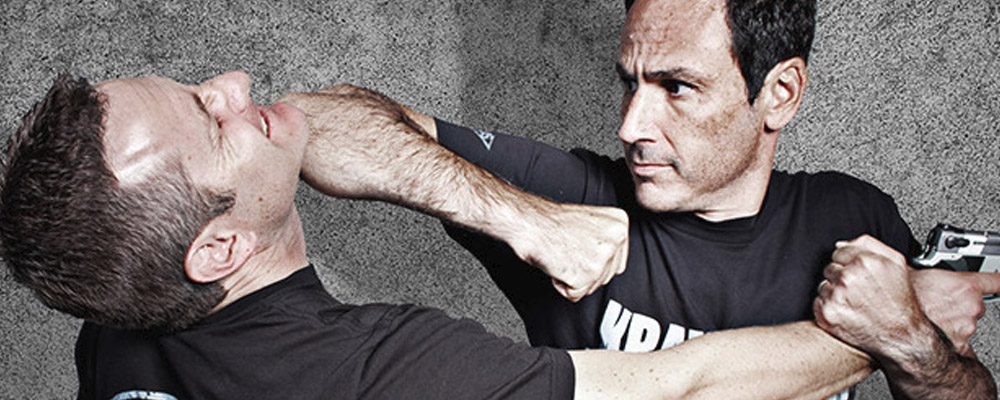
Pros: Has a wide array of firearm techniques, Excellent self defense, Intense, lots of classes now available, dedicated to self defense, based on a military system aka IDF Krav Maga, covers all aspects of fighting, quickest to learn out of all the systems mentioned.
Cons: expensive, no real competition directly related to the system, lack of detail due to quickness of the system being taught, not as much to learn as some of the other systems in terms of history, culture or even technique long term, sparring is not the same as competitive systems, Focuses on weapons but many schools lack the same level of understanding as Filipino academies… still this falls second in the weapons category.
I hope that answers your questions but remember you can always shoot me an email if you need something answered. Subscribe to the blog to stay up to date with my newest posts!!!
 Visionary Male